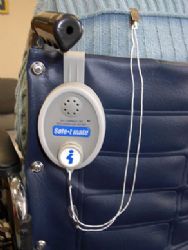
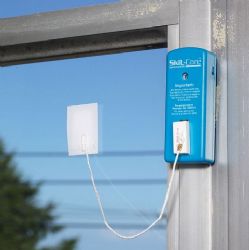
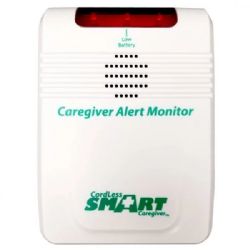
We know that choosing the right bed alarm can be a vital decision when it comes to keeping loved ones or patients safe from fall-related injuries. Whether you're a caregiver in a skilled nursing facility or assisting a loved one at home, a reliable bed alarm can act as a lifesaving tool.
In this guide, we’ll walk you through seven of the most reliable and user-friendly bed alarms available today and help you choose the right one for your setting. We’ll also answer the most common questions caregivers and families ask when shopping for a bed alarm.
A bed alarm is a safety device designed to detect when a person gets out of bed, alerting caregivers to respond immediately. These devices are critical tools in fall prevention for individuals with Alzheimer’s, dementia, post-surgical needs, or limited mobility. Looking for more? We have a more comprehensive article on How to Choose the Right Bed Alarm, as well as many more products and related articles on our blog, Caregiver University.
Wireless alarms offer greater flexibility and reduce tripping hazards. Corded alarms are more affordable but can be a fall hazard themselves.
Pressure pads detect weight shifts when a patient moves. Undermattress sensors are discreet and reduce skin breakdown risks.
Some alarms include audible alerts, while others have pagers or vibrating devices. Choose based on the environment, quiet homes vs. busy facilities.
For incontinent patients or 24/7 use, waterproof and easy-to-clean pads are essential.
 | Smart Caregiver Wireless Patient Monitor with Nurse Call Button View Product |
This wireless system provides caregivers with both a bed and chair alarm. The system includes a call button, which alerts caregivers when the patient is attempting to exit the bed. The wireless feature allows for mobility within the healthcare setting, making it ideal for larger facilities.
Use Case: Ideal for caregivers moving throughout a home or large facility.
 | Chair and Bed Alarm for Patients | Protekt Alarm by Proactive Medical View Product |
This system features both magnetic and pressure pad monitoring, providing double security. It’s designed to detect when a patient is attempting to get out of bed or a chair. It’s highly effective for preventing falls in patients who are prone to wandering.
Use Case: Patients who are mobile and may attempt to leave both their bed and chair. This alarm is perfect for memory care units.
 | Smart Caregiver CordLess® Bed Alarm and Chair Alarm Packages View Product |
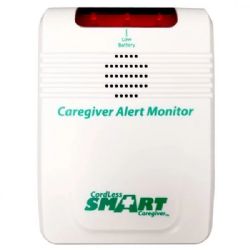
This cordless system includes both bed and chair alarms, giving caregivers flexibility in managing multiple areas. It provides a seamless and reliable monitoring experience.
Use Case: Ideal for homes or facilities needing multiple patient monitoring.
 | Skil-Care UnderMattress Sensor Pads View Product |
The Skilcare UnderMattress Sensor Pad is an undermattress system that ensures discreet monitoring. It’s a low-profile device, making it comfortable for patients, while still providing the necessary alerts to caregivers.
Use Case: Patients who are bed-bound or have limited mobility. It’s a great option for those who need discreet monitoring in a memory care setting, or for those with sensory needs.
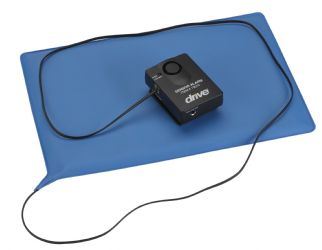
 | Drive Medical Pressure Sensitive Chair or Bed Patient Alarm View Product |
This alarm system utilizes pressure-sensitive mats that detect when a patient leaves their bed or chair. It’s simple to use and provides effective monitoring for fall prevention.
Use Case: Ideal for basic in-home care or smaller facilities.
 | Wireless Bed Alarm with Pager and Waterproof Vinyl Pad View Product |
This system features a waterproof sensor pad that can be used in any care environment. It’s designed to alert caregivers quickly if a patient leaves their bed, reducing fall risk and increasing response time.
Use Case: Overnight care or incontinent patients.
 | Bed-Check Sensormat Cordless Fall Prevention Pressure Sensitive Pads View Product |
The Cordless Sensormat Pads are ideal for environments where mobility is a concern. The system provides both bed and chair alarms, alerting caregivers to a patient’s movements.
Use Case: Ideal for hospitals or assisted living facilities where a multiple patient monitoring system would be beneficial.
Yes. Studies show that alarms significantly reduce unassisted bed exits when used as part of a comprehensive fall-prevention plan.
Not typically, but they may be regulated as restraint-like interventions in clinical settings. Use should be documented and consented to when possible.
Pads are placed under the buttocks or mattress; wireless systems must be paired with pagers. Always test the system before relying on it.
Yes. Most alarms include adjustable sound levels or pager/vibration alerts to ensure timely responses.
In memory care settings, the use of bed alarms is critical for patient safety. After comparing these products, it’s clear that different systems serve different needs. For those in need of wireless mobility and flexibility, the Smart Caregiver Wireless Bed Alarm and the Cordless Sensormat Pads are excellent options. For patients in chairs or with significant mobility challenges, the Protekt Chair and Bed Alarm System provides additional peace of mind. Meanwhile, the Skilcare BedPro and Pressure-Sensitive Chair or Bed Patient Alarm offer discreet and reliable monitoring.
When selecting a bed alarm, consider the unique needs of the patient, their level of mobility, and the specific care environment to ensure the best possible outcome for their safety.

Co-founder/CEO of Rehabmart, Pediatric Occupational Therapist, husband, and father. Passionate about connecting special needs kids with superb nutrition, sensory integration, and complementary health strategies. Excited about Rehabmart's mission to become the premier online educational platform which empowers caregivers by spotlighting innovative devices and interventions to achieve optimal patient response and recovery.