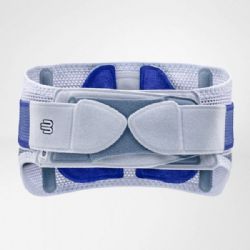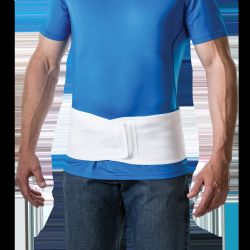
Sacroiliac joint belts are often used by physical therapists who work with patients recovering from low back injuries, pregnancy-related pelvic dysfunction, and chronic SI joint instability. The right sacroiliac joint belt can make a huge difference in helping to stabilize the pelvis, reduce inflammation, and limit the micromovements that exacerbate SI joint pain. Whether you’re managing pain from postpartum changes, hypermobility, or degenerative joint issues, these belt and brace options offer the best support to enhance your rehab outcomes.
A sacroiliac joint belt is used to stabilize the pelvis and reduce motion at the sacroiliac joints, which can help relieve pain caused by SI joint dysfunction, inflammation, pregnancy-related instability, or hypermobility. Compressing the pelvis limits excessive movement that contributes to joint irritation and can support recovery during physical therapy or daily activity.
Unlike lumbar braces, a sacroiliac joint belt should sit low on the hips, just above the pubic bone and below the iliac crest. It should wrap tightly around the pelvic ring to compress the sacroiliac joints located at the back of the pelvis. Incorrect placement can reduce effectiveness, so proper instruction from a therapist is recommended.
 | Serola Sacroiliac Belt View Product |
The Serola Belt continues to be our go-to recommendation for active individuals dealing with mild to moderate SI joint dysfunction. It combines elastic and non-elastic materials to deliver flexible compression without sacrificing stability. Its low-profile design is perfect for discreet everyday wear under clothing.
| CorFit Sacroiliac Belt by Core Products View Product |
If comfort is your top priority, especially in hot or humid climates, this belt shines. The breathable fabric is soft against the skin, and its anatomical design hugs the pelvis naturally without digging in. We frequently recommend it for postpartum patients and anyone needing light-to-moderate compression support.
 | SI Belt Sacroiliac Joint Support | SI-LOC Back Brace by OPTP View Product |
This is the most customizable belt on the list, offering targeted compression through its dual-strap system. We recommend this option for patients whose symptoms fluctuate or who have asymmetrical pain. The adjustability allows for changes throughout the day or during different activities.
 | SacroLoc Pressure Massage Back Support for Back Pain by Bauerfeind View Product |
This is a top-tier belt designed for patients with significant SI joint instability, such as those with sacroiliitis or spondyloarthritis. With its tension straps and pressure pads that align directly over the SI joints, this belt offers unparalleled stabilization and anatomical support.
 | Stabilizing Sacroiliac Compression Belt View Product |
Sometimes simplicity is all you need. This affordable belt offers consistent compression and ease of use. We recommend it to budget-conscious patients or those needing temporary support during flare-ups. The anti-slip interior keeps it in place during activity, which is a plus.
In most cases, yes, but it depends on the severity of your condition and how your body responds to compression. Many patients benefit from wearing SI belts during waking hours, especially when walking, lifting, or performing daily tasks. However, it’s not typically recommended to sleep in one unless advised by a healthcare professional. Long-term overuse without active rehabilitation may reduce core strength, so belts should be paired with therapeutic exercise.
A sacroiliac belt should be snug enough to provide compression and stabilization without restricting blood flow or causing discomfort. You should feel secure but still able to breathe and move naturally. Adjustable models, like the Silioc Adjustable Compression Belt, are ideal for customizing pressure to your comfort level.
Yes, when used appropriately and fitted correctly, SI joint belts have been shown in clinical studies to significantly reduce pain, improve stability, and enhance functional movement in individuals with SI joint dysfunction. They’re most effective when combined with physical therapy, exercise, and ergonomic education.
Sacroiliac joint belts are not one-size-fits-all, and choosing the right one can make or break your recovery. From low-profile options to orthopedic-grade supports, the right SI belt depends on your activity level, pain severity, and clinical diagnosis.
We will always advise patients to try belts under professional supervision to ensure proper placement and effectiveness. Belts can be helpful tools in managing symptoms, but they should always be used alongside core strengthening, pelvic stabilization exercises, and posture correction strategies. If you’re recovering from an SI joint dysfunction or managing chronic pelvic instability, one of the belts above can be a great addition to your rehab toolkit!

Megan has been a part of Rehabmart since its inception nearly 20 years ago. For the past several years she has been enjoying her role as HR Director while maintaining her Physical Therapy license. When she isn't working on her next in-service or working to find a new team member, she enjoys her five children, helping those who have PT type ailments, baking, practicing yoga, and working out.