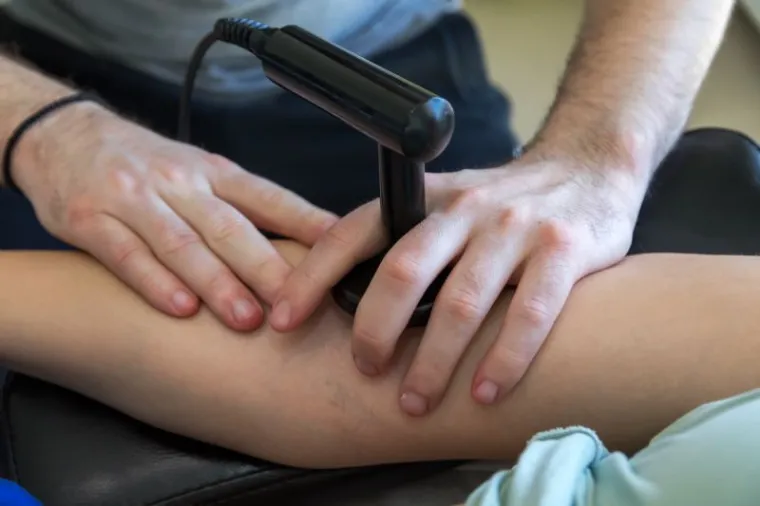
TECAR therapy is a treatment used in rehabilitation and wellness settings to help the body warm up tissues from the inside. It is often used when people want help with stiffness, soreness, or slow recovery without invasive procedures.
Even though the name sounds technical, the idea behind TECAR therapy is simple. It uses controlled energy to create gentle warmth inside muscles, joints, and connective tissue. This warmth helps increase blood flow and makes tissues easier to move. This article explains what TECAR therapy is, how it works, what it feels like, and how it is commonly used.
TECAR stands for Transfer of Energy Capacitive and Resistive. In simple terms, TECAR therapy uses a form of radiofrequency energy to create warmth inside the body. This warmth helps stimulate deeper areas like muscles, joints, and connective tissue. Unlike heating pads that warm the skin first, TECAR therapy is designed to warm tissues beneath the skin. This includes muscles, joints, and connective tissue.
The goal is not to force change. The goal is to help the body do what it already knows how to do. Increased warmth and blood flow can help tissues relax and move more easily.
TECAR therapy does not use needles, injections, or medications. The treatment is delivered through pads or handheld tools placed on the skin. Most people describe the feeling as warm and comfortable, rather than sharp or painful. The intensity can be adjusted to stay within your comfort level.
TECAR therapy uses gentle energy that works with the body’s natural systems. Our tissues naturally contain water and minerals, which allow energy to move through them. When TECAR Therapy is applied, this energy moves smoothly inside the tissue, creating a controlled warming effect that helps support comfort and healing.
This warmth starts beneath the skin rather than on the surface. That is what makes TECAR therapy different from surface heat.
TECAR therapy typically uses two modes:
Many TECAR devices let clinicians switch between these modes depending on the treatment goal.
Most people feel gentle warmth and light pressure. The sensation is steady and controlled. The provider can adjust settings if the warmth feels too strong or too mild. Each session is adjusted based on the body area, the person’s comfort, and the goal of treatment. This flexibility is one reason TECAR therapy is used in both rehab clinics and wellness settings.
TECAR therapy is often used in physical therapy clinics as part of a broader rehabilitation plan. It may be used to support movement, flexibility, and comfort during recovery.
Common rehab-related uses include:
In sports and training settings, TECAR therapy is often used between workouts or games. It’s used when muscles feel tight, heavy, or hard to move after physical activity like training. TECAR therapy may be used before stretching or hands-on work to warm the area first. When tissues are warm, they often move more easily. This can make stretching and movement feel less uncomfortable.
Some athletes use TECAR therapy on areas that get overworked, such as legs, hips, shoulders, or backs. It is not a replacement for rest, exercise, or rehab, but it’s a tool to be used between sessions to help the body feel ready to move again.
In wellness settings, TECAR therapy is often used for general body comfort rather than injury recovery. People may choose it when their muscles feel tight from long days, sitting too much, or repeated movements. The warmth from TECAR therapy can help areas of the body feel looser before massage, stretching, or light movement. Many people find it more comfortable to move after tissues have been warmed first.
Some wellness programs use TECAR therapy as part of a regular routine. The goal is not to treat a condition. The goal is to help the body feel less tense and move more easily during your daily life.
Because settings can be adjusted, TECAR therapy can be matched to a person’s goals and tolerance. This helps create more personalized treatment sessions.
Some TECAR devices are built for personal use at home. Others are built for professional settings where treatments change from person to person throughout the day. The difference is not about effectiveness. It is about control, durability, and how the device is used in real life.
 | Diathermy Tecar Therapy Device for Pain Relief and Mobility Support - Portable Capacitive and Resistive Energy System View Product |
The Oceanus TECAR Home Therapy Device is intended for people who want a way to manage stiffness or soreness outside of a clinic. It’s often used by people who already receive care and want a consistent option at home between visits.
We love it because the controls are straightforward and meant for non-clinical users. The device is typically used on one area at a time, such as the lower back, hips, knees, or shoulders. Most people use it while seated or lying down as part of a daily routine.
 | Electromagnetic Therapy Device - Smart Tecar by Lotuxs View Product |
The Smart TECAR by Lotuxs is usually used in clinics where different people are treated back-to-back. It lets the therapist adjust the settings quickly based on where the work is being done and how the person feels that day.
Because it is easy to adjust, this device fits well in busy clinics. The therapist does not have to stop or switch equipment when moving from one person to the next. They can make small changes as they go, based on what they see and what the person tells them.
TECAR therapy is used when muscles or joints feel stiff, tight, or slow to loosen up. It is often used to warm an area before movement, stretching, or hands-on work. By warming tissue beneath the skin, it can make the area easier to move and less uncomfortable during activity.
TECAR therapy is usually not painful. Most people describe the feeling as warm and steady rather than sharp or intense. The warmth builds gradually, and the person receiving treatment can speak up if it feels too strong. Settings can be adjusted during the session, which helps keep the experience comfortable. If an area is very sensitive, the provider may lower the intensity or move more slowly.
Surface heat, like a heating pad, warms the skin first and slowly works inward. TECAR therapy works the opposite way. It creates warmth inside the tissue beneath the skin rather than only on the surface. Because of this, the warmth can reach muscles and joints more directly. Many people notice that the area feels looser during movement, not just warm to the touch.
Yes! TECAR therapy is usually used as part of a larger treatment plan. It may be used before stretching, exercise, or hands-on work to help the body loosen up first. It can also be used alongside other tools or techniques, depending on what the person needs that day. The goal is not to rely on one method, but to use different approaches together in a practical and effective way.
In clinics, TECAR therapy is usually provided by trained professionals, such as physical therapists or wellness providers who are familiar with the equipment and how the body responds. However, some TECAR devices are also made for home use. These are designed with simpler controls and are meant for people who have already been shown how to use them safely as part of a routine.
TECAR therapy is one of several tools that may be used when stiffness or limited movement gets in the way of daily life. What matters most is not the technology itself, but how and when it is used within a larger plan. When chosen thoughtfully and applied at the right time, it can help make movement, exercise, or hands-on care feel more manageable. As with any therapy approach, decisions about use should be based on individual needs, comfort, and guidance from a qualified professional rather than on promises or trends.
Co-founder/CEO of Rehabmart, Pediatric Occupational Therapist, husband, and father. Passionate about connecting special needs kids with superb nutrition, sensory integration, and complementary health strategies. Excited about Rehabmart's mission to become the premier online educational platform which empowers caregivers by spotlighting innovative devices and interventions to achieve optimal patient response and recovery.





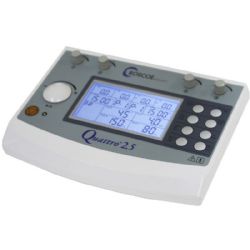


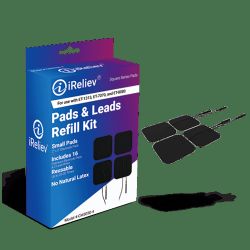


 Unit "USTIM Electrical Muscle Stimulator (EMS) Unit")